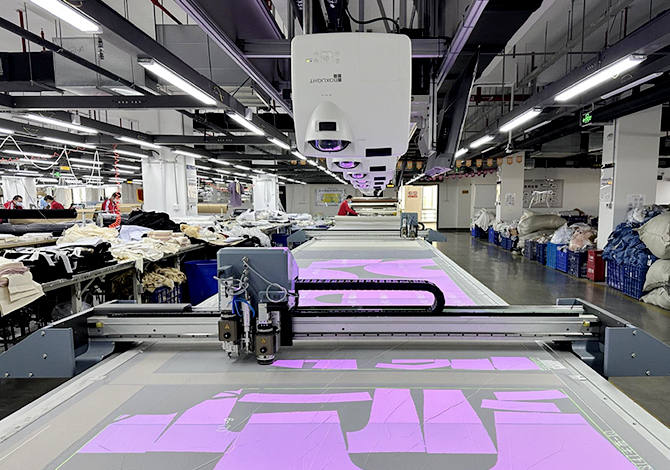
A Great Sample Is Not a Scale Strategy: How to Judge Real Manufacturing Readiness
Many brand teams find out too late that a factory capable of producing a stunning sample is not necessarily equipped to handle a full production run. In the streetwear sector, where complex washes, heavyweight fabrics, and precise graphic placements define the product, the gap between sample room excellence and scale readiness is often where collections fall apart. A factory might execute a perfect acid wash hoodie in isolation, but without a clear setup for materials handoff, process control, and category-based execution, that same factory can struggle to maintain consistency across a 500-piece order. The sample looked right. The bulk run did not.
What sounds like a simple sourcing question often turns into a costly operational bottleneck. As consumer expectations shift toward higher quality and more intricate designs, the demand for premium streetwear production has moved well beyond simply finding a facility that can sew. Procurement teams and creative directors are realizing that evaluating a manufacturing partner requires looking past the initial prototype. This article breaks down why sample-making skills do not automatically translate to bulk production capabilities, what scale readiness actually looks like in practice, and how brands with established sales channels can identify a true streetwear clothing manufacturer before committing to a larger run.
Why Do Good Samples Not Automatically Mean Good Scale Readiness?
A good sample proves a factory understands the design and construction of a single garment, but scale readiness requires material flow management, pre-production organization, multi-stage reviews, and category-specific process discipline. For complex streetwear projects, the gap between making one perfect piece and replicating it consistently across hundreds of units is significant and often underestimated.
When a brand receives a high-quality sample, it is easy to assume the factory has mastered the product. But the sample room operates under entirely different conditions than the main production floor. A sample maker is typically a highly skilled technician who handles the entire garment from start to finish, carefully adjusting the pattern, fabric, and trims to achieve the desired result. They have the time and flexibility to focus on single-piece development, ensuring the fit and finish align with the tech pack.
Bulk production is a fragmented process. It involves different teams handling cutting, sewing, washing, printing, and finishing—often simultaneously across multiple workstations. If the factory lacks a structured system to translate the sample's success into clear bulk standards, the final product will inevitably suffer. This is especially true for streetwear, where the visual identity relies on specific details: the exact placement of a screen print, the texture of a vintage wash, or the drape of a heavyweight cotton tee. Without strong communication and escalation systems, minor discrepancies at the sample stage can multiply into major defects during a full production run.
The core issue is that sample room excellence tests craft. Scale readiness tests systems. These are two different things.
What Does "Scale Readiness" Actually Mean in Streetwear Manufacturing?
Scale readiness means a factory has concrete systems to translate sample-stage decisions into bulk standards, manage complex materials and trims, apply category-specific execution setups, and identify production risks before bulk cutting begins. It is about having a structured path from development to delivery—not just the ability to produce a great prototype.
To determine if a factory is truly ready for scale, brands need to look for specific operational capabilities rather than just a willingness to take the order. Scale readiness is not abstract; it is visible in how a factory organizes its workflow.
How Do They Handle Pre-Production Translation?
A scale-ready factory does not simply hand the approved sample to the production line and hope for the best. They have a formal process for translating the key decisions made during the sample stage into clear bulk standards. This involves creating detailed pre-production (PP) samples, establishing acceptable tolerance levels for measurements, and documenting the exact sequence of operations required to replicate the finish. If a hoodie required a specific garment dye sequence followed by enzyme washing, that sequence needs to be written down, tested, and approved before bulk cutting starts.
Can They Manage Complex Material and Trim Handling?
Streetwear often involves heavy fabrics, washed materials, and trim-heavy designs. A factory prepared for scale will have a clear production path for these elements. They understand how different fabrics behave during cutting and sewing, how to manage shrinkage during garment dyeing or washing, and how to coordinate the arrival of custom hardware—zipper pulls, woven labels, custom buttons—to avoid production delays. A factory that has not thought through this coordination in advance will often face last-minute substitutions that compromise the product.
Do They Have Category-Specific Execution Setups?
A factory that runs a basic t-shirt and a complex denim jacket through the same production logic is likely not scale-ready for streetwear. Different categories require different setups, different skill sets, and different quality control checkpoints. A premium streetwear clothing manufacturer will have dedicated processes for tees, hoodies, denim, and outerwear, recognizing that the equipment and expertise required vary significantly between these items.
Is There Clear Problem Visibility Before Bulk?
The best manufacturers do not wait for a problem to surface during bulk production; they anticipate it. They have mechanisms in place to identify the points most likely to weaken the product's direction before bulk cutting starts. This might involve flagging a potential issue with a specific print technique on a new fabric blend, or suggesting a slight pattern adjustment to improve the drape of an oversized fit. Brands that have worked with China-based streetwear factories at this level will recognize this kind of proactive communication as a strong signal of scale readiness.
How Does Product Category Change What Scale Readiness Looks Like?
Scale readiness varies by product type. For t-shirts, it focuses on fabric and graphic consistency. For hoodies, it involves coordinating washes and trims. Denim requires stage-by-stage control of abrasion and hardware, while outerwear demands organized management of linings and complex construction. A factory's readiness for one category does not guarantee readiness for another.
Understanding that scale readiness is not a universal metric is crucial for procurement teams. The specific challenges of scaling production depend heavily on the product category.
What to Look for When Scaling T-Shirts?
While a t-shirt might seem straightforward, scaling a premium streetwear tee requires strict control over fabric weight, neck rib behavior, and graphic placement. A scale-ready factory ensures that the heavy cotton maintains its structure after washing and that the screen print or DTG application remains consistent across hundreds of units—without cracking, fading, or shifting position. The difference between a 220gsm and a 260gsm tee is not just weight; it affects how the garment behaves during finishing and how the print sits on the body.
What Are the Scale Requirements for Hoodies?
Hoodies introduce more variables: hood shape, rib tension, and the coordination of zippers, washes, and graphics. A factory ready to scale hoodie production will have a clear rollout logic. They will know how to manage the shrinkage of French terry or heavyweight fleece during an acid wash process and ensure that the zipper tape does not pucker after the garment is finished. If the brand's design relies on a specific hood drape or a particular rib weight, those details need to be locked in before bulk starts—not discovered as problems after the fact.
How Is Denim Scaled Effectively?
Denim production is notoriously complex due to the extensive washing and distressing processes involved. Scale readiness in denim means having a stage-by-stage control system for the pattern, the wash development, and the hardware application. The factory must be able to replicate a specific vintage fade or distressing pattern consistently, ensuring that the abrasion does not compromise the structural integrity of the jeans. Stone wash, enzyme wash, and hand-sanding each require different controls, and a factory without clear process documentation will produce inconsistent results at volume.
What Defines Scale Readiness for Outerwear?
Outerwear projects—varsity jackets, complex cut-and-sew pieces, heavyweight coaches jackets—require a high level of organizational discipline. A scale-ready factory must coordinate the sourcing and application of various trims, linings, and embellishments. They need a structured approach to manage the construction sequence, ensuring that different materials align correctly and that the final garment maintains its intended silhouette. For US and UK streetwear brands developing outerwear with multiple trim details, this level of coordination is non-negotiable.
What Signals Suggest a Factory Can Develop Well but May Not Be Ready to Scale Smoothly?
Red flags include vague answers about bulk processes, a lack of defined pre-production checkpoints, unclear management of complex finishes, and a tendency to say "yes" without explaining how the product will actually be executed at volume. These signals are easy to miss when a sample looks great.
Identifying a factory that is a sample specialist rather than a true development-and-scale partner requires paying attention to how they communicate during the initial stages of engagement.
One of the most common signals is a factory that produces an excellent sample but gives vague or evasive answers when asked about bulk production. If they can discuss the craftsmanship of the sample in detail but struggle to explain their pre-production organization, they likely lack the necessary systems for scale. Ask them to walk you through what happens between sample approval and the first day of bulk cutting. A factory with real scale readiness will have a clear, specific answer.
Another warning sign is a lack of focus on process checkpoints. A scale-ready factory will want to establish clear approval stages for fabrics, trims, and print strike-offs before bulk begins. If a factory rarely mentions these checkpoints and instead focuses solely on their ability to "make it happen," they may be relying on ad-hoc problem-solving rather than a structured production plan. That approach works for a single sample. It does not work for 300 units.
Furthermore, if a factory does not have a clear strategy for managing heavy fabrics, complex washes, or intricate embroidery during the production phase, they are likely not equipped for streetwear at scale. A factory that treats a washed, heavyweight hoodie the same way it treats a basic garment will inevitably struggle with consistency. They should be able to explain their category-specific execution logic, not just their general production capability.
What Do Better Development-and-Scale Manufacturers Usually Show Early?
Mature streetwear apparel manufacturers clearly outline the next production steps after sampling, specify which approvals must be locked in, translate key design decisions into concrete production review points, and demonstrate how the project will hold together at volume—not just at the prototype stage.
When evaluating a potential partner, brands should look for proactive communication and a structured approach to the transition from development to scale. An industry breakdown of specialized streetwear production partners often highlights this distinction as one of the most important factors separating capable manufacturers from truly reliable ones.
A strong manufacturing partner will not just hand over a sample and wait for an order. They will clearly articulate the next steps required to move into production. This includes identifying which elements of the design must be finalized immediately and which can be adjusted slightly during the pre-production phase. They will flag risks proactively—for example, noting that a specific fabric might behave differently during bulk washing than it did during the sample stage, and proposing a test wash before committing to the full run.
More importantly, they will translate the critical decisions made during the sample stage—the specific hand feel of a fabric, the exact shade of a wash, the tension of a rib knit—into concrete production review points. They understand that maintaining the integrity of the design requires specific quality control measures at each stage of the manufacturing process, not just a final inspection at the end.
Ultimately, a better development-and-scale manufacturer demonstrates how the project will hold together once volume enters the picture. They do not just showcase their sample craftsmanship; they showcase their production systems, their risk management strategies, and their understanding of the specific challenges associated with streetwear. Some manufacturers, such as Groovecolor, focus specifically on heavyweight fabrics and complex finishing techniques used in modern streetwear collections, ensuring that the transition from sample to bulk is managed with precision rather than optimism.
How Should Clothing Brands Test Scale Readiness Before Committing?
Brands should ask how the factory handles pre-production reviews, what changes between the sample room and bulk setup, which product types are hardest for them to scale, and how they protect key product decisions during volume production. These questions reveal far more than asking whether a factory "can handle large orders."
Instead of simply asking, "Can you handle a big order?" procurement teams should ask targeted questions that reveal the factory's operational depth and understanding of streetwear manufacturing.
Ask How the Factory Handles Pre-Production Reviews?
Inquire about their specific process for moving from a prototype to a pre-production sample. Ask what documentation they require, how they establish tolerance levels, and who is responsible for signing off on the final bulk standards. A factory with real scale readiness will have a clear, documented answer. A factory that is primarily a sample specialist will give a vague one.
Ask What Changes Between Sample Room and Bulk Setup?
A transparent factory will acknowledge that the sample room and the production floor operate differently. Ask them to explain how they transfer the knowledge and techniques used to create the sample to the workers on the main line. If their answer is essentially "we just tell them to follow the sample," that is a red flag.
Ask Which Product Types Are Hardest for Them to Scale Well?
This question tests honesty and self-awareness. Every factory has strengths and weaknesses. If they claim that everything is easy to scale, they are either not being truthful or do not fully understand the complexities of different product categories. A factory that can identify their own limitations is far more trustworthy than one that claims unlimited capability.
Ask How They Protect Key Product Decisions Once Bulk Starts?
Find out what mechanisms they have in place to ensure that the critical elements of the design—a specific wash effect, a precise print placement, a particular fabric weight—are maintained across the entire production run. Ask about their in-line inspection processes and how they handle deviations from the standard. For established streetwear brands with proven market demand, this level of execution consistency is what separates a reliable manufacturing partner from a one-time sample success.
Why Does Scale Readiness Matter More for Some Product Types Than Others?
While basic items carry lower production risk, complex streetwear products like washed hoodies, denim, outerwear, and trim-heavy garments rely heavily on scale discipline. For these items, a factory's ability to manage volume consistently is often more critical than their sample room aesthetics.
The importance of scale readiness is directly proportional to the complexity of the product. A clean, basic t-shirt has a relatively straightforward production path. While quality control is still necessary, the risk of major discrepancies between the sample and the bulk order is lower compared to more complex categories.
For complex streetwear projects, the situation is entirely different. Products that involve multiple processes—a hoodie that requires custom dyeing, acid washing, screen printing, and distressing—demand a high level of coordination and control. If the factory lacks scale discipline, the wash might be uneven, the print might crack, or the fabric might shrink unpredictably. Each of these outcomes damages the brand's product integrity and, ultimately, its market position.
For brands with validated demand and clear design direction, the ability to consistently deliver high-quality, complex products is essential. In these cases, a factory's readiness for scale is not just a logistical advantage; it is a critical component of the brand's commercial success. A beautiful sample is useless if the factory cannot replicate it reliably across hundreds of units. The real cost of choosing a sample specialist over a true development-and-scale partner is not the sample itself—it is the rework, the delays, and the disrupted launch timeline that follow.
Final Takeaway
The ability to create a compelling sample and the ability to execute a consistent bulk production run are two distinct capabilities. For streetwear brands, assuming that one automatically guarantees the other is a common and costly mistake. The transition from development to scale requires a specific set of operational capabilities: category-specific production setups, rigorous pre-production review discipline, and process checkpoints that hold key product decisions together as volume increases.
When evaluating a potential manufacturing partner, brands must look beyond the sample room. They need to assess whether the factory has the systems and the expertise to manage the complexities of streetwear manufacturing at scale. By asking the right questions and focusing on the factory's ability to translate design intent into production reality, brands with established sales channels can find a partner capable of supporting their long-term product direction and maintaining the integrity of their collections—run after run.
Why Some Clothing Brands Choose China for Streetwear Manufacturing Even When They Are Not Chasing the Lowest Price
In many public discussions, China manufacturing is often oversimplified as a purely cost-driven decision. However, for established streetwear brands, this understanding is far too flat. When a product involves heavyweight fabrics, washed finishes, embellishment layering, trim-heavy construction, or multi-category development, the brand is not making a simple price choice—they are making a supply chain capability choice. The reality is that the demands of modern streetwear have evolved far beyond basic cut-and-sew operations, requiring a level of coordination that only specific manufacturing ecosystems can support.
This article will not present China as a universal answer for every apparel business, nor is it a promotional piece for regional manufacturing. Instead, the focus is on explaining why some independent brands with real traction continue to view China as a highly suitable environment for premium streetwear production, even when they are not chasing the lowest price. We will explore what dense supply chains actually mean for complex projects, why process integration matters more than many brands expect, and which product categories most clearly demonstrate this manufacturing advantage.
Why Is China Not Only a Cost Decision for Streetwear Brands?
For basic apparel, price is often the primary factor, but for streetwear, brands prioritize multi-process coordination, development speed, and the ability to connect fabric, wash, print, and trim decisions seamlessly from sample to bulk production.
When evaluating a streetwear manufacturer, it is easy to assume that lower quotes are the main attraction. While cost efficiency remains relevant for basic items, the equation changes entirely when dealing with premium streetwear. A brand developing a 400gsm French terry hoodie with an acid wash and puff print is not looking for the cheapest factory; they are looking for a partner who can execute all those steps without losing the intended aesthetic. The true value of a specialized manufacturing hub lies in its ability to manage complexity.
In regions with deep manufacturing history, the advantage is not just cheap labor, but the proximity of different specialized facilities. A factory does not need to do everything in-house if the best wash house, the most advanced dye facility, and the most reliable hardware supplier are all within a few miles. This density allows for a level of development elasticity that is crucial for streetwear, where products often evolve through multiple rounds of sampling. Brands choose this environment because it offers a more complete path from initial concept to production planning, reducing the friction that typically occurs when coordinating across scattered suppliers.
Furthermore, the conversation around cost often misses the hidden expenses of poor execution. A cheaper quote from a factory that does not understand streetwear proportions or wash shrinkage will inevitably lead to expensive delays, unsellable inventory, and damaged brand reputation. Mature brands recognize that paying a premium for a manufacturer who can consistently deliver complex, multi-process garments is a far more sound financial decision than chasing the lowest initial price.
What Do Dense Supply Chains Actually Mean for Streetwear Projects?
A dense supply chain means that material access, process capabilities, and development elasticity are highly concentrated, allowing brands to quickly adjust fabric, wash, and trim decisions during the refinement stage without derailing the production timeline.
The term "supply chain density" is often thrown around, but its practical meaning for a product development team is very specific. It is not just about having access to everything; it is about how easily those resources can be mobilized and connected.
Material Access
For streetwear, the foundation of the product is often the fabric itself. A dense supply chain provides immediate access to heavy cotton jersey, French terry, washed denim bases, and fashion-oriented knit and woven options. When a brand needs to pivot from a 300gsm to a 400gsm fabric because the drape of the sample was not quite right, a dense ecosystem allows the manufacturer to source the new material in days rather than weeks. This rapid material sourcing is a critical advantage for brands that need to iterate quickly to capture fleeting market trends or refine a specific aesthetic vision.
Process Access
Streetwear relies heavily on specialized finishes and decorations. A strong manufacturing hub offers concentrated access to screen print, direct-to-garment (DTG), embroidery, appliqué, and dedicated wash houses. Furthermore, hardware sourcing and trim development—such as custom zippers, specific drawcords, or branded rivets—are readily available. This proximity means that a factory can test a new distressing technique or a different print method quickly, keeping the development process fluid. The ability to experiment with these processes without incurring massive shipping costs or extended lead times is a significant draw for brands pushing the boundaries of garment design.
Development Elasticity
When a product direction is still in the refinement stage, the ability of a factory to quickly mobilize related resources is invaluable. Streetwear products often evolve through sample rounds, and a rigid supply chain can stifle this evolution. The true value of a dense supply chain is that different processes and supporting elements can easily form an executable path, allowing the brand to iterate without facing massive delays or prohibitive sampling costs. This elasticity is what allows a brand to move from a rough concept to a polished, production-ready sample in a fraction of the time it would take in a less integrated environment.
Why Does Process Integration Matter More in Streetwear Than Many Brands Expect?
Streetwear products are rarely single-process items; they are layered process products where fabric, graphic application, wash planning, and trim decisions must be integrated flawlessly to achieve the correct final aesthetic and maintain sample-to-bulk consistency.
One of the most common misunderstandings in apparel sourcing is treating streetwear like basic casualwear. A standard t-shirt might only require cutting, sewing, and a simple print. In contrast, a premium streetwear piece is often a layered process product.
Consider a complex hoodie. It might involve sourcing a specific heavyweight fabric, applying a graphic through a specialized print method, executing a planned wash to achieve a vintage feel, and finally integrating custom zip and trim decisions. Similarly, a denim piece might require precise pattern engineering, a specific wash language, custom hardware sourcing, and a logical distressing pattern.
This is why some brands prioritize regions that can connect these processes seamlessly over those that only offer basic sewing capabilities. If the wash house does not understand how the fabric will react, or if the printer does not account for the shrinkage caused by the wash, the final product will fail. Process integration ensures that the aesthetic intent survives the journey from the design file to the finished garment.
Moreover, process integration is crucial for maintaining sample-to-bulk consistency. A factory might be able to produce a perfect sample by hand-holding the garment through every step, but if their production systems cannot replicate that integration at scale, the bulk order will suffer. Brands that understand this dynamic seek out manufacturers who have proven systems for managing multi-process workflows, ensuring that the thousandth piece looks exactly like the approved sample.
Which Product Categories Show China’s Manufacturing Advantage More Clearly?
Categories that require complex coordination—such as heavyweight tees, washed and embellished products, denim, outerwear, and fashion-led jerseys—best demonstrate the advantage of a manufacturing environment that can integrate pattern, wash, and hardware seamlessly.
Not all products benefit equally from a dense manufacturing ecosystem. The advantages become most apparent in categories where execution complexity is high.
Heavyweight T-Shirts and Hoodies
These staples of streetwear require more than just thick fabric. The manufacturer must handle fabric options, wash handling, graphic coordination, and fit interpretation. A slight miscalculation in shrinkage or print placement on a heavyweight garment can ruin the intended boxy or oversized silhouette. The ability to source the right yarn, knit it to the correct density, and finish it with the appropriate wash is a specialized skill set that thrives in integrated manufacturing hubs.
Washed and Embellished Products
Items featuring multiple techniques rely heavily on the efficiency of the connection between embroidery, print, wash, and trim. If these steps are not coordinated perfectly, the garment can suffer from puckering, color bleeding, or misaligned graphics. A factory that can manage the interplay between an acid wash and a delicate embroidery application is invaluable to a brand building a complex visual identity.
Denim and Streetwear Bottoms
Streetwear denim is notoriously difficult to produce well. It requires a deep integration of pattern engineering, wash development, and hardware application. The balance between the fit and the distressing logic must be maintained across all sizes in bulk production. The expertise required to achieve a consistent vintage fade or a specific abrasion pattern is often concentrated in specialized denim facilities within these dense supply chains.
Outerwear and Trim-Heavy Styles
Jackets and complex outerwear demand comprehensive handling of structure, lining, patches, snaps, zips, labels, and inside finishing. The ability to source and assemble these diverse components efficiently is a hallmark of a mature manufacturing hub. A factory that can seamlessly integrate a custom-dyed lining with a heavy canvas shell and bespoke hardware is a critical asset for brands expanding into higher-ticket categories.
Fashion-Led Jerseys
Sportswear-inspired streetwear often involves intricate paneling, specific graphic methods, badge or trim details, and the need for rapid development feedback. The manufacturer must be able to balance the technical requirements of athletic wear with the aesthetic demands of streetwear. This requires a nuanced understanding of both performance fabrics and fashion-forward silhouettes, a combination often found in regions with a history of producing both categories.
Why Does Development Flexibility Matter to Clothing Brands, Not Just Production Capacity?
For streetwear brands, the value of a sample room is not just producing one garment, but finding the right direction quickly during refinement; a flexible manufacturing ecosystem allows for easier adjustments across fabric, wash, and trim decisions.
When evaluating a streetwear clothing manufacturer, brands often focus heavily on production capacity and unit costs. However, for independent brands with real traction, development flexibility is often the more critical metric.
The sample room's true purpose is to help the brand navigate the refinement stage and find the correct product direction. If a factory is rigid and treats every sample as a final test rather than an iterative step, the development process becomes frustrating and slow. A more elastic manufacturing ecosystem allows the brand to make adjustments to fabric weight, wash intensity, trim details, and embellishment placement without starting from scratch every time.
This flexibility is not a sign of cheap labor; it is a reflection of development efficiency and the ability to handle complexity. Brands choose these environments because they need a partner who can adapt to the creative process rather than forcing the creative process to adapt to the factory's limitations. In a market where trends shift rapidly and consumer expectations for unique details are high, the ability to pivot during development without derailing the entire production calendar is a massive competitive advantage.
What Do Better Manufacturers in China Usually Help Brands Do?
Mature manufacturers help brands by breaking complex projects into clear process paths, identifying supply chain risks early, transitioning confirmed decisions smoothly into production planning, and reducing the risk of the product degrading during multi-stage execution.
A specialized streetwear factory operates very differently from a general apparel supplier. The best partners act as an extension of the brand's product development team.
First, they break down complex projects into a clear process path. Instead of just looking at a tech pack and quoting a price, they analyze the sequence of operations required to achieve the design. Second, they point out which parts of the early development stage will rely most heavily on supply chain coordination, flagging potential risks before sampling even begins. For example, they might advise that a specific print technique will not hold up well on a heavily washed fabric, saving the brand time and money on doomed samples.
Once the fabric, fit, wash, and trim decisions are confirmed, these manufacturers smoothly transition those elements into production planning. Through clearer review processes and pre-production handoffs, they significantly reduce the risk of a multi-stage project being diluted or altered during bulk execution. For brands looking for a reliable custom streetwear manufacturer, this level of proactive management is what separates a true production partner from a mere order-taker. Some men’s streetwear clothing manufacturers, such as Groovecolor, focus specifically on heavyweight fabrics and complex finishing techniques used in modern streetwear collections, demonstrating how specialized capabilities support brand growth.
What Do Brands Often Get Wrong When Evaluating China for Streetwear?
Brands often mistakenly view China solely as a price-driven destination, confuse general apparel suppliers with streetwear-oriented manufacturers, assume all factories in a dense supply chain are suitable, and fail to define their product complexity before judging the region.
Despite the clear advantages for certain product types, many brands still approach sourcing in China with outdated assumptions, leading to poor decisions and frustrating outcomes.
The most common mistake is remaining stuck in the "price country" mindset. If a brand approaches a highly capable streetwear manufacturer expecting the lowest possible quote, they are fundamentally misunderstanding the value proposition. Another frequent error is confusing a general apparel supplier with a streetwear-oriented manufacturer. A factory that produces millions of basic corporate polos may have massive capacity, but they likely lack the cultural understanding and technical nuance required for a vintage-washed, oversized graphic hoodie.
Furthermore, brands sometimes assume that because a supply chain is dense, any factory within it will be a good fit. They fail to define their own product complexity before evaluating the region. A brand must first understand whether their product requires a simple cut-and-sew operation or a complex, multi-process development path before they can accurately judge whether a specific manufacturer or region is the right choice. For a deeper understanding of how to evaluate these partners, brands often review a recent roundup of premium streetwear production partners to see how specialized capabilities align with their needs.
Another critical error is underestimating the importance of communication and cultural alignment. A factory might have the technical capability to produce a garment, but if they do not understand the aesthetic intent behind a specific distressing pattern or the cultural significance of a particular fit, the final product will likely miss the mark. Brands must seek out partners who not only possess the necessary machinery but also speak the language of streetwear.
Final Takeaway
For established streetwear brands, the value of manufacturing in China extends far beyond price. It lies in the region's ability to support the process coordination, development elasticity, and supply chain depth required by complex products. A truly mature sourcing decision is not based on whether a location is "cheap," but on whether the product demands a manufacturing environment capable of seamlessly connecting fabric, wash, trim, embellishment, and production paths. When brands prioritize these capabilities, they secure not just a supplier, but a system that can sustain their growth and protect their product identity. The future of premium streetwear production will increasingly favor those who understand that execution is just as important as design, and that the right manufacturing partner is a strategic asset, not just a cost center.
groovecolor