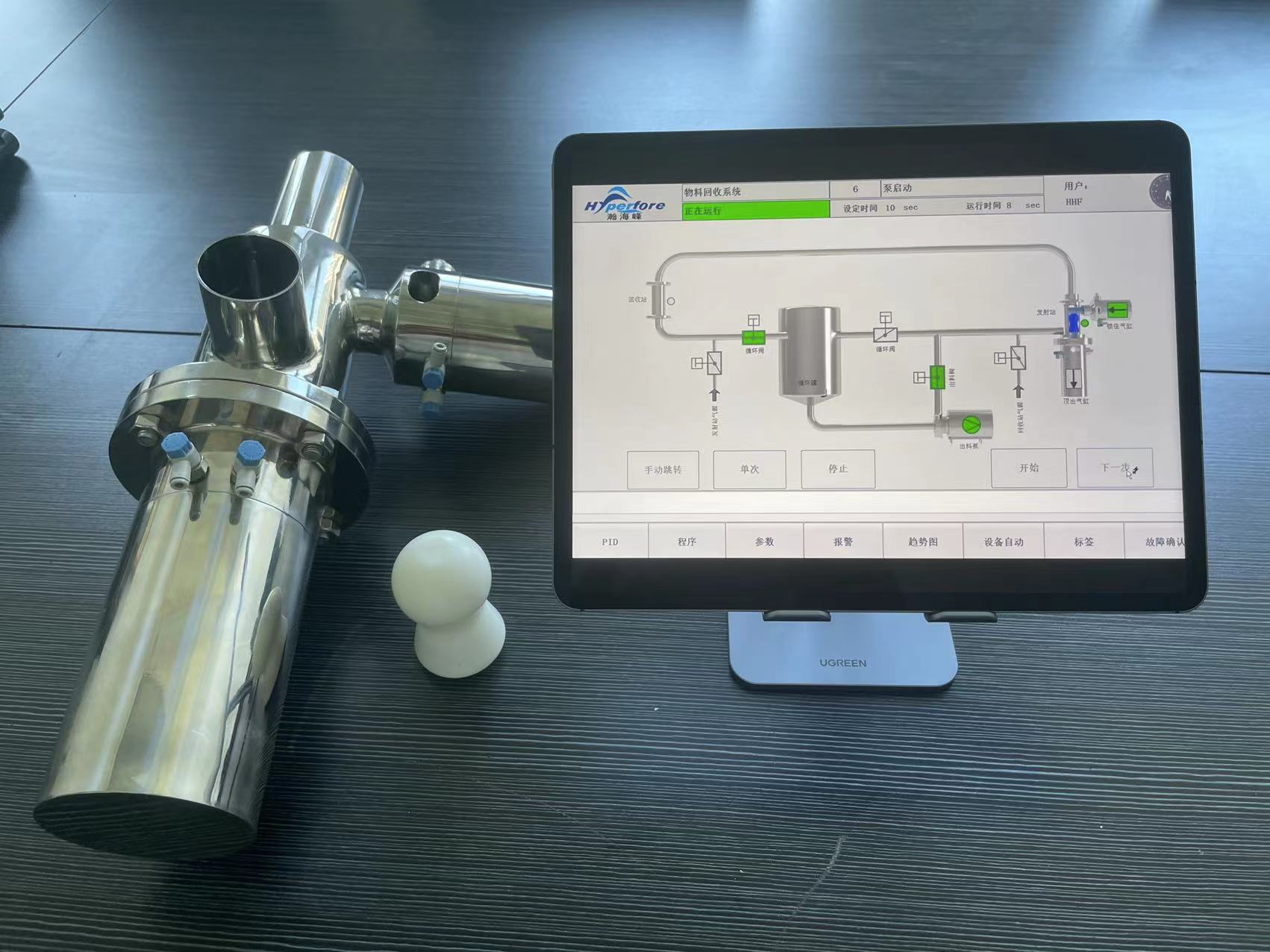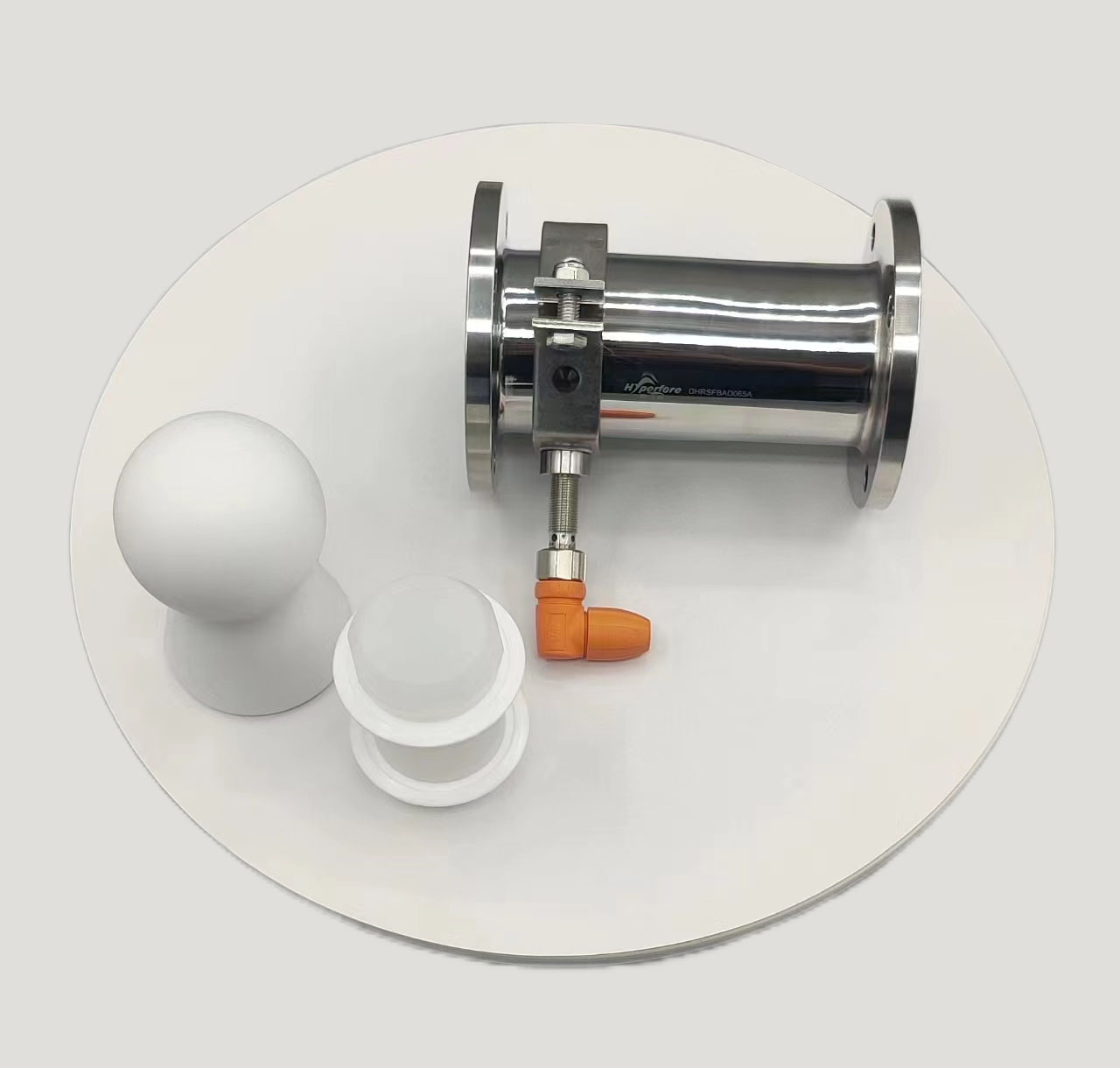
Opening
Mechanized pipeline maintenance processes extend a significant asset over human-operated practices for maintaining the durability of channels. These innovative solutions modernize the task of sending a "pig" – a engineered device – through the conduit to eradicate deposits like mineral build-up, corrosion, and restrictions. By minimizing downtime and advancing flow yield, automatic pigging processes mean a crucial asset for organizations relying on line transportation of media.
Sterile Rinsing : Maintaining Channel Purity in Nutritional Sector
Guarding impeccable sanitation within edible assembly facilities is vital, particularly when it comes to tubes used for conveying mixtures. Sterile flushing offers a dynamic solution. This advanced technique involves inserting a implement – often a compressible device – into the conduit to clean leftovers, including impurities, and re-establish total hygiene. Benefits include mitigated hazard of spoilage, upgraded item value, and maximized functional effectiveness. Criteria for adoption include tool substance compatibility with the item and pipe design.
- Mitigates degradation risk.
- Enhances item grade.
- Heightens function efficiency.
These Systems: Improving Function and Reducing Waste
These systems offer a major advancement in duct execution for various businesses, particularly within the mining and fabrication sectors. By sending a “pig,” a custom-designed tool, through the infrastructure, build-up are eliminated, increasing volume and limiting product spillage. This produces a minimized outlay and a more eco-friendly strategy to equipment oversight.
This Future Pertaining to Pipelines: Researching Autonomous Pigging Methods
One evolution within pipeline operation is rapidly being steered by self-operating pigging tools. Traditionally, pigging activities have counted on hand-operated intervention, but the development of autonomous pigs promises amplified efficiency, diminished downtime, and improved safety. These modern systems use detectors, insights, and algorithmic intelligence to explore pipelines self-sufficiently, locating corrosion and delivering washing tasks with exceptional precision. Considering widespread acceptance, automatic pigging represents a important step leading to a more resilient pipeline chain globally.
Sterile Cleaning vs. Manual Disinfection
Sustaining conduit soundness within the culinary industry presents a considerable challenge. Historically, traditional purging has been the traditional method, relying on technicians to manually remove debris and filth. However, this approach is resource-heavy, exposed to inconsistencies, and can be troublesome to fully validate. Hygienic purging, on the other hand, offers a automated alternative. This solution utilizes a apparatus propelled through the pipework to clear deposits, providing a more efficient and steady sanitation process. Key separations include:
- Financial investment: Operator-based sanitation often involves elevated labor fees, while clearing has starting investment scaled-down overall fees.
- Capacity: Cleaning habitually offers increased performance compared to hand-held methods.
- Authentication: Affirming the rigor of sterilization is convenient with flushing due to cataloging capabilities.
- Risk: Conventional cleaning can expose employees to precarious conditions, whereas swabbing lowers this peril.
Deploying an Robotic Pigging Platform: Effective Strategies
Skillfully rolling out an self-acting pigging technology requires precise design and adherence to recognized best approaches. Primarily, initiate a comprehensive assessment of your duct to evaluate the specific issues requiring purging. This incorporates assessing the variety of impurity, the location of restrictions, and the existing status of the facility. Subsequently, decide on a pigging modality compatible for your unique operational requirements.
Moreover, highlight extensive teaching for technicians employed in the execution method. This is necessary to include briefing on safe handling of the equipment and familiarity of contingency procedures.
- Frequently examine the cleaning device and connected parts for damage.
- Establish a robust management roster.
- Monitor all rinsing tasks and corresponding statistics.
- Analyze the influence on line flow and product excellence.
In brief, sustained tracking and improvement of the maintenance program are indispensable for elevating capability and lengthening the pipeline network’s working duration.
Troubleshooting Usual Difficulties in Clean Pigging Mechanisms
Proven performance of sanitary pigging systems often demands preemptive problem-solving. Consistently, clutters due to product buildup are found, which could be corrected through painstaking inspection through appropriate tools. What's more, pressure losses may indicate degraded sealing components or internal damage. Scheduled management, including scraper substitution and thorough assessment of duct condition, is vital to reduce pauses and preserve prime output.
Computerized Inspection Platforms for Production Tubes
Robotic scrubbing offers substantial advantages for functional pipelines, significantly advancing operational functionality. These tool provides a multitude of benefits, including reduced closures, minimized upkeep charges, and improved product standard.
- Cut pressure reduction leading to capacity conservation.
- Enhanced duct wholeness, avoiding wear.
- Improved yield by clearing deposits.
- Elevated risk mitigation for workers and the habitat.
Reduced Expenses with Sanitized and Automated Pigging Systems
Implementing sterile and electromechanical rinsing applications offers substantial expense reductions for piping operators. These cutting-edge sanitary pigging system technologies minimize good loss due to attached residues, significantly lessening waste. Beyond material recovery, cleaning solutions curtail the frequency of regular line shutdowns for overhaul, translating to boosted running time. Furthermore, the limited need for manual labor and additive consumption further boosts the overall profitability of your facility.
- Minimized Substance Loss
- Greater Process Throughput
- Lowered Human Intervention Requirements