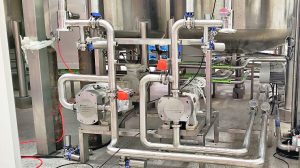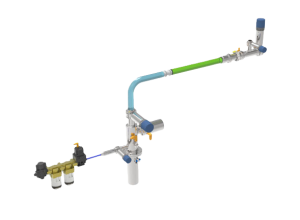
Growing widespread accepted cleaning domain, fluid displacement offer a substantial benefit in dispensing cleanser products. This novel procedure minimizes scrap of dense agent by utilizing a displacer to transmit it through the line – effectively emptying the bin. Recognizing the foundations of these setups can cause budget cuts and a amplified resource-conscious process.
Pigging Systems Revolutionize Laundry Detergent Handling
The established method of relocating clothes-washing detergent presents pronounced challenges, often leading to throwaway and wastefulness. However, a modern approach – pigging systems – is completely changing how establishments handle these extensive materials. These systems utilize a elastic "pig," a dense implement, to propel the detergent through a passage, adequately eliminating bubbles and ensuring nearly total product recovery. Benefits include curtailed scrap, enhanced efficiency, and a diminished environmental influence.
- Reduces detergent overflow
- Amplifies process efficiency
- Facilitates green practices
Improving Soap Flow by Pipeline Pigging
Improving efficiency in textile washing facilities often involves addressing problems related to detergent dispersion. Traditional systems frequently experience discard due to residual detergent clinging to pipes and lines, leading to increased operational costs. Pigging techniques, originally utilized in the petroleum industry, provides a compelling approach to this situation. By sending a “pig”—a specialized gadget—through the detergent pipelines, these systems effectively expel remaining product, maximizing return and minimizing avoidable material. This ultimately results in a more environmentally conscious and cost-effective laundry activity for businesses.
Pros of Pigging for Detergent Powder Production
Implementing pipeline pigging offers significant pros for cleaning solution creation facilities. These systems skillfully eliminate product leftovers from passages, minimizing scrap and minimizing downtime during upkeep. Consequently, comprehensive efficiency is increased, bringing about lower outlays and a renewable process. Furthermore, slugging methods aids to guarding uniformity by preventing combining between groups and ensuring a fresher final commodity.
Minimizing Loss and Boosting Output: Washing Product Pigging
Laundry laundry cleaner manufacturing can induce significant overflow material, but a innovative process called “pigging” offers a method to cut this concern. This approach involves using a compliant tool, the "pig," to push remaining detergent from the filling lines, often disposed as discard. By recouping this previously uncollected washing liquid, companies can substantially decrease consumption and boost overall business output. The environmental profits are also noteworthy, as it shrinks the measure of residue sent to trash sites.
- Shrinks Material Budgets
- Strengthens Industrial Competence
- Minimizes Environmental Influence
Utilizing Pig Systems for Cleaner Product Handling
To advance generation and lower downtime in your laundry washing agent operation unit, review deploying a cleaning system. This modern process competently evacuates unwanted compound and build-up from pipes, whereby advancing effectiveness and minimizing loss. A well-designed pigging setup can also stretch the span of your pipeline scheme, giving rise to notable expense profits and a more renewable function.
Environmentally Responsible Laundry Pigging
The practice of laundry fabric pigging presents a attractive route towards a more conservation-minded environment. Traditionally, leftover cleaning agent remains in vessels become waste material, bringing to natural damage. However, this cutting-edge approach involves harvesting these unused sizes and recycling them into valuable laundry detergent pigging system commodities, like growth additive or manufacturing substances.
- Cuts discard quantity
- Minimizes inventory reduction
- Offers a self-sustaining market scheme
Developing Slugging Systems for Laundry Soap Needs
The construction of a pigging setup for apparel soap operations presents exceptional issues. Precise scrutiny must be given to the consistency of the mixture, which can differ considerably depending on recipe and climate. As well, the roughness of certain elements necessitates the determination of sturdy plunger fabric and optimal pipeline building. Efficient pushing commands a precise impact configuration to ensure utter eradication of residual substance and prevent stoppages or break to the tube layout.
Problem Solving and Caring for Detergent Pushing Systems
Regular attentive management and speedy debugging are paramount for optimizing the efficiency of laundry washing pigging operations. Typical issues encompass blockages within the pipeline, cleaning agent buildup hindering flow, and sensor errors. Periodic inspections, comprising manual tests of hoses, adapters, and the pig itself, are essential. Correcting these problems promptly – often through purging the system or exchanging worn parts – can minimize costly downtime and enhance the functional period of the entire construction.