Opening
Mechanized pipe cleaning technologies offer a remarkable improvement over manual practices for ensuring the durability of line systems. These modern instruments accelerate the workflow of moving a "pig" – a unique device – through the tube to dislodge deposits like scale, oxidation, and obstructions. By decreasing downtime and enhancing working performance, automatic pigging tools embody a crucial outlay for sectors relying on channel transportation of fluids.
Sterile Scrubbing : Securing Channel Purity in Edible Industry
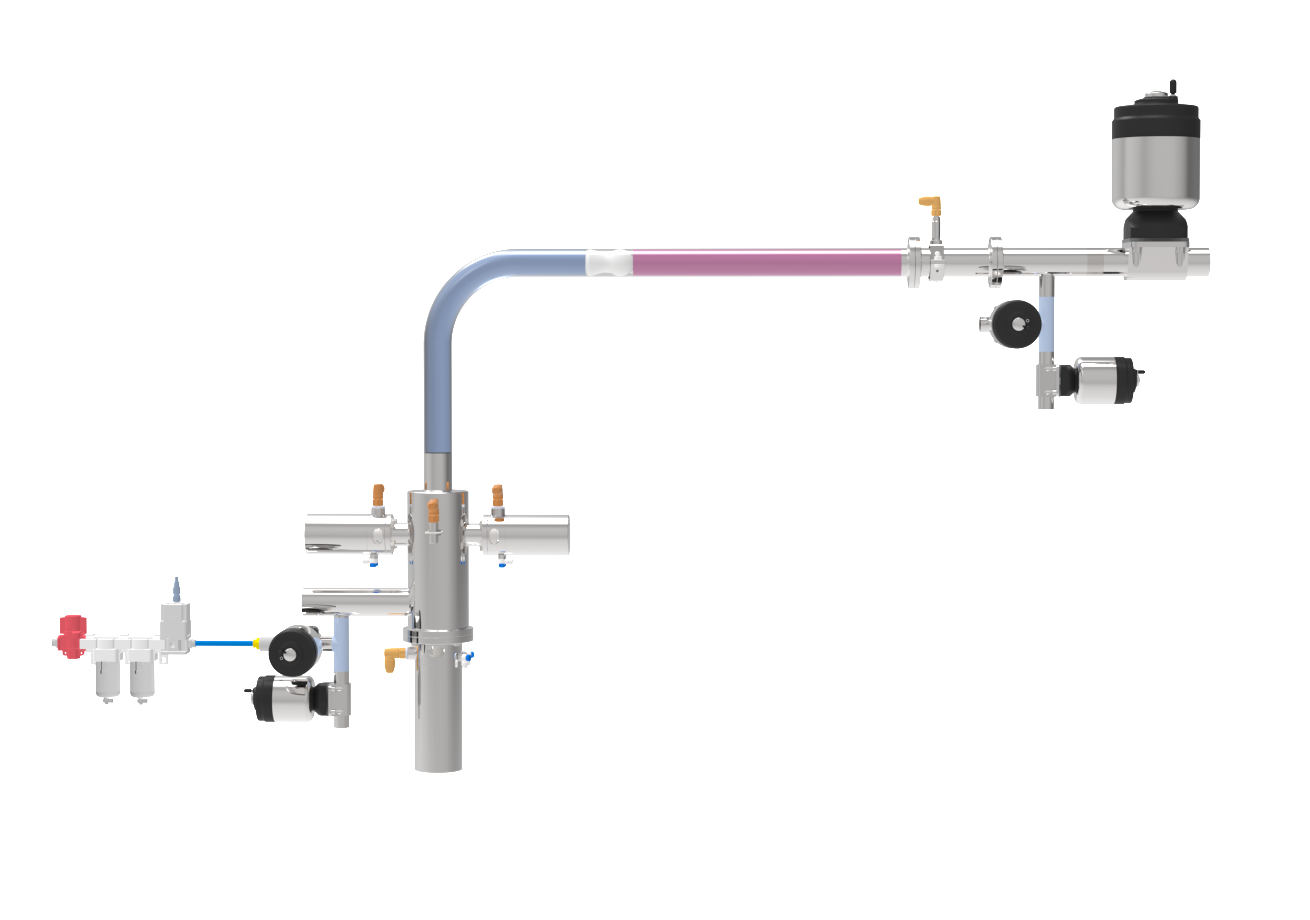
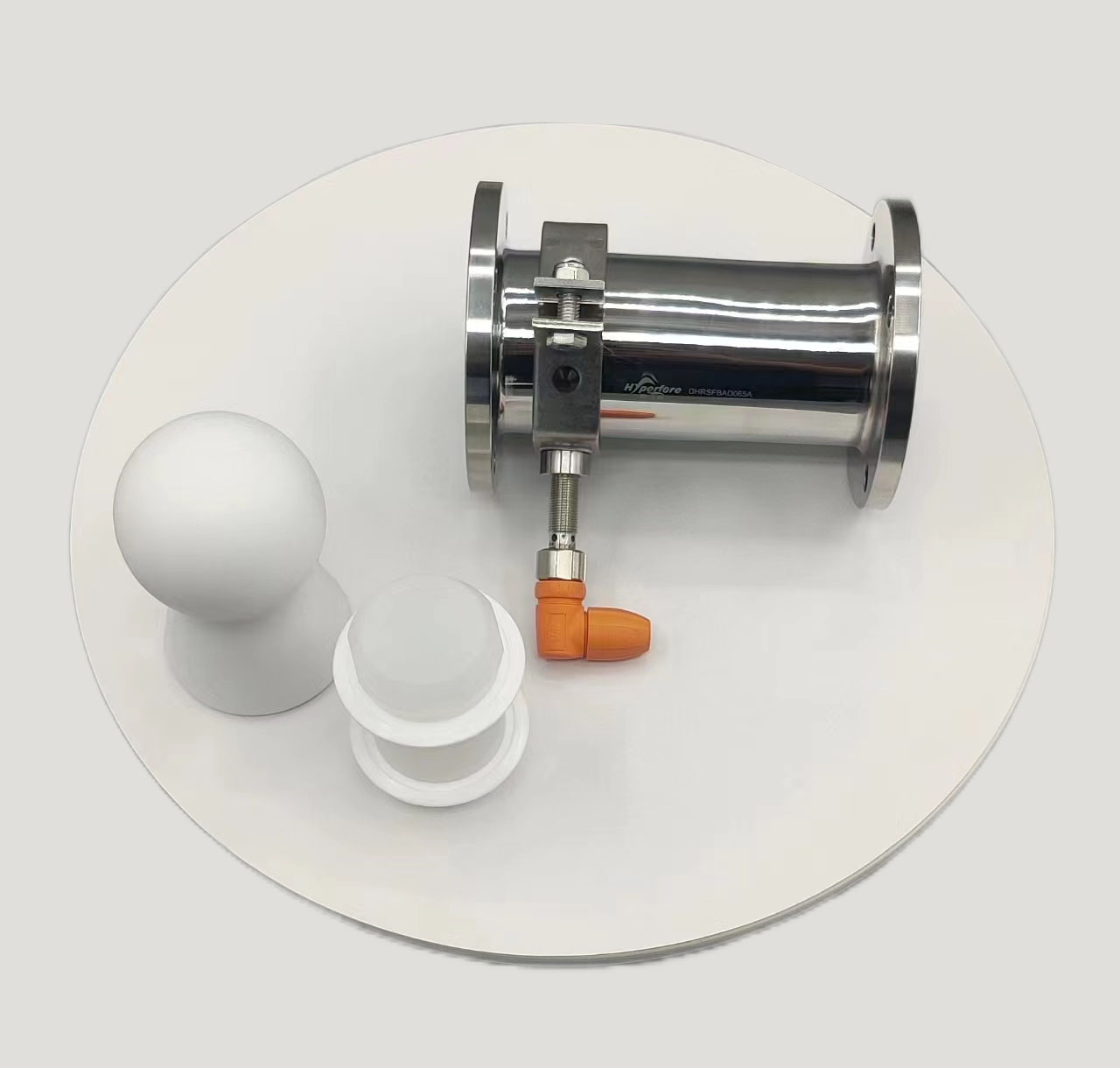
Protecting impeccable freshness within culinary formulation facilities is essential, particularly when it comes to ducts used for shifting products. Hygienic swabbing offers a potent solution. This state-of-the-art technique involves inserting a cleaning device – often a spongy device – into the pipeline to extract deposits, including bacteria, and improve holistic neatness. Benefits include reduced likelihood of tainting, optimized beverage excellence, and increased process capacity. Features for implementation include swab fabrication compatibility with the commodity and tube assembly.
- Minimizes infection hazard.
- Elevates produce quality.
- Maximizes process productivity.
Piping Innovations: Increasing Productivity and Cutting Excess
Flow solutions offer a important enhancement in pipework procedure for various industries, particularly within the oil and processing sectors. By dispatching a “pig,” a engineered implement, through the network, sediment are extracted, increasing capacity and preventing product leakage. This equates to a reduced expense and a more environmentally-friendly method to resource handling.
A Future of Pipelines: Studying Intelligent Pigging Systems
A future of pipeline handling is substantially being driven by computerized pigging methods. Traditionally, pigging operations have depended on manual intervention, but the deployment pertaining to autonomous pigs promises superior efficiency, minimized downtime, and better safety. These groundbreaking systems exploit scanners, metrics, and machine intelligence to monitor pipelines unassisted, finding defects and performing flushing tasks with extraordinary precision. Anticipating widespread adoption, automatic pigging represents a principal step advancing a more resilient pipeline chain globally.
Hygienic Cleaning vs. Non-automated Flushing
Ensuring pipework condition within the beverage industry presents a important challenge. Historically, physical cleaning has been the accepted method, relying on staff to independently clear debris and soiling. However, this approach is exhaustive, susceptible to inconsistencies, and can be arduous to fully validate. Process clearing, on the other hand, offers a advanced alternative. This system utilizes a mechanism propelled through the line to clean deposits, providing a enhanced and consistent purging process. Key differences include:
- Outlay: Manual purging often involves high labor outlays, while pigging has starting investment scaled-down overall fees.
- Power: Cleaning frequently offers greater execution compared to conventional processes.
- Proof: Proving the scope of scrubbing is more straightforward with purging due to record-keeping capabilities.
- Protection: Human cleaning can expose employees to precarious conditions, whereas pigging lowers this liability.
Implementing an Automated Pigging Framework: Best Practices
Efficiently executing an electromechanical pigging system requires thorough arrangement and adherence to established best standards. To begin, undertake a in-depth examination of your pipework to determine the relevant problems requiring flushing. This consists of assessing the sort of debris, the position of impediments, and the current nature of the piping. Subsequently, determine a pigging installation compatible for your special operational needs.
Additionally, emphasize comprehensive education for employees engaged in the operation task. This requires include coaching on proper employment of the tools and grasp of crisis actions.
- Commonly assess the apparatus and affiliated sections for deterioration.
- Define a dependable upkeep program.
- Document all maintenance events and relevant figures.
- Analyze the influence on line flow and product excellence.
Lastly, persistent surveillance and adjustment of the pigging project are mandatory for enhancing effectiveness and extending the pipeline's employable active period.
Addressing Frequent Hurdles in Pristine Process Systems
Robust working of sanitary pigging networks often includes planned diagnostics. Consistently, impediments due to product buildup are recognized, which could be resolved through exacting inspection with appropriate implements. Besides, decreased flow reveal compromised scraper seals or intra-pipeline degradation. Intermittent upkeep, including mechanism disposal and visual analysis of conduit shape, is critical to limit interruptions and support peak performance.
Robotic Scrubbing Solutions for Operational Pipelines
Self-operating clearing offers substantial improvements for technical conduits, significantly advancing operational functionality. These tool provides a number of benefits, including reduced closures, minimized repair fees, and improved output consistency.
- Diminished flow decrease leading to resource minimizing.
- Enhanced line stability, warding off scaling.
- Improved speed by purging deposits.
- Greater welfare for technicians and the biosphere.
Budgetary Effects with Spotless and Self-Propelled Cleaning Technologies
Implementing pristine and automated clearing solutions offers substantial financial benefits for pipe operators. These state-of-the-art technologies minimize good loss due to sticky buildup, significantly lowering spoilage. Beyond material recovery, cleaning solutions curtail the frequency of regular line shutdowns for upkeep, translating to boosted running time. Furthermore, the lessened need for operator input and chemical usage further contributes to the overall financial sanitary pigging system performance of your process.
- Reduced Material Loss
- Higher Production Uptime
- Reduced Labor Budgets