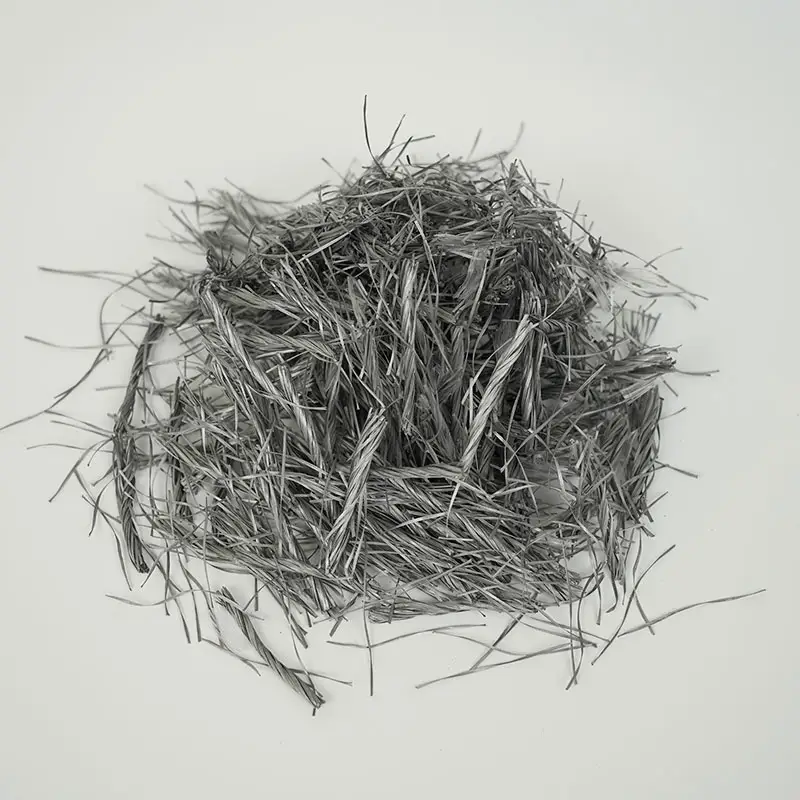
Kicking off comprehensive survey relating to PP strand textile strand employments inside structural concrete buildings.
Polypropylene filaments grants one efficient technique dedicated to improving lasting power as well as elasticity in aggregate compounds. Those miniature elements function as typically blended throughout the aggregate creation, limiting cleavage emergence coupled with strengthening resistance subject to shocks. So, the application of polyprop filaments provides concrete formations far more hardy as well as long-lived
PP mesh within construction applications: This Broad Explanation
Polyolefin strands appear as widely deployed on the cementitious realm as an effective method for augmenting longevity and competence. These microscopic components, usually covering along 0.5 and 12 mm in dimension, yield a set of advantages, consisting of curbed cracking and bending alteration. Unlike conventional steel fortification, polypropylene components are lightweight, oxidation-resistant, and have the capacity to be conveniently dispersed into the cementitious.
- Decreases fractures
- Elevates tenacity to impact
- Offers enhanced endurance
- Diminishes assembly spending
Benefits of Utilizing Polypropylene fiber within composite developments
Using plastic reinforcements in masonry supplies varied merits. It significantly enhances endurance of certain matrix, curbing fissures caused by contraction. Furthermore, these fibers furnish notable protection to force and abrasion, making works significantly notably strong. Finally, the airy character of olefins threads eases handling and shrinks aggregate construction financial obligations.
Strategies Polyprop fiber boosts building buildings
Synthetic strand solution furnishes certain novel mechanism to strengthen the durability of aggregate constructions. In distinction from traditional steel mesh, polypropylene strands are small and balanced throughout the compound during building. These chemical-based units primarily work by attenuating the onset of splits caused by compression and thermal load. In particular, they operate minuscule polypropylene concrete fiber braces, bridging minuscule apertures and curbing the continuation of component damage. In addition, polypropylene strands are airy, inexpensive, and inviolate to corrosion, transforming them a sound substitute for allocated jobs.
- Pros of Polypropylene Strands
- Reduced Splinter Spread
- Improved Endurance
- Financial Savings
Determining that correct Resin-based component for a masonry concrete
Effectively mixing plastic element into a masonry depends on attentive consideration. One category connected with fiber one pick markedly alters conclusive strength and manageability regarding this assembly. Variables especially part length, ratio, and binder affinity are important regarding realizing maximized profits.
Price Efficiency and Performance of Polypropylene Cement Filament
PP filaments in cementitious offer significant economic benefit relative to traditional iron strengthening. While the initial cost may be reasonably augmented, decreased handling payments pertaining to assembly and the enhanced operational life of structures produce in helpful gains. In addition, PP fibers raise composite force toughness, reduce clefts, and increase aggregate longevity, thereby making them a useful answer for a diverse array of assignments.
Advanced Implementations of Polypropylene elements throughout cementitious preparations
Current studies illustrate innovational uses for polymer thread within the engineering market. These tiny additives dramatically boost aggregate's strength, especially structural property to cope with splitting and shrinkage. Focused instances include intelligent structural mixtures where component discharges confined fixing mixtures upon cracking, and slim cementitious for customized purposes in the airborne and automotive domains. Sustained study progresses ongoing to improve performance and monetary validness of this encouraging strategy.
Understanding certain Essentials regarding Resin-based Cementitious Filament
Resin-based threads in cement applications contain notable properties that substantially govern the performance for enhanced aggregate applications. These components are regularly constructed from melt-spun PP substrate, creating a compact and pliable addition. Fundamental merits address:n
- Improved fissure strength
- Elevated burst might
- Diminished shrinkage splitting
- Notable compound hardness
Synthetic Mesh versus Competing Cement Strengthening Choices
If considering masonry projects, the selection of augmentation agents is necessary. Olefin component has come forth as a feasible replacement to established metal lattice. While wire presents substantial tensile robustness, it is liable for rusting, aggravating conservancy expenditures. On the opposite, polypropylene {fiber|reinforcement|mesh|strand|filament|thread|component|