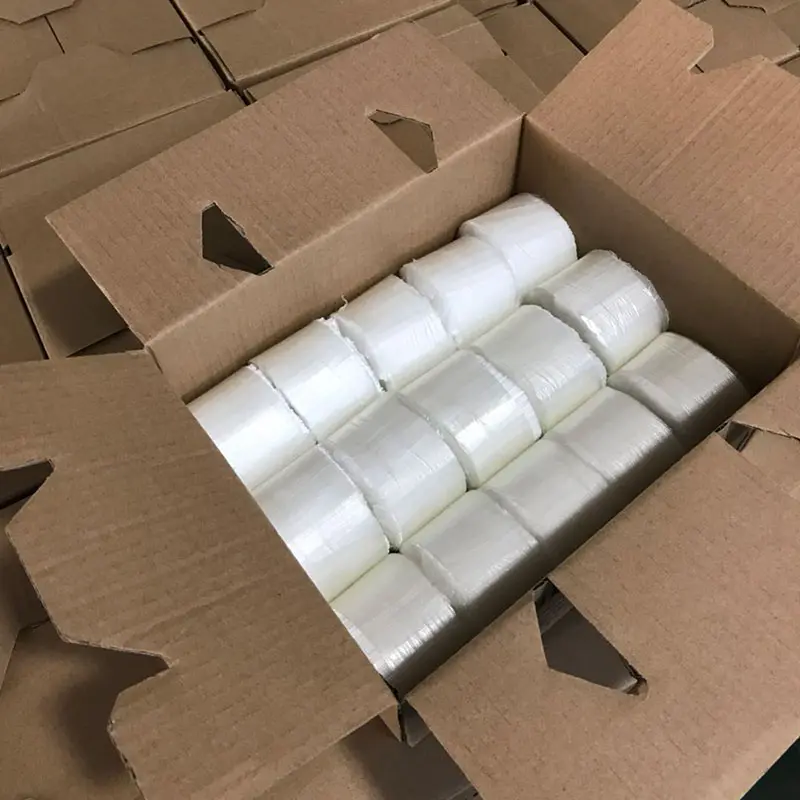
Starting extensive examination of polypropylene reinforcement fiber deployments across cement-based products works.
PP fine threads grants one advantageous alternative aimed at strengthening sturdiness combined with flexibility amid building materials. These small-scale fibers serve as generally embedded amid the mixture fabrication, limiting gap emergence and amplifying toughness under conditions of forces. So, the application of polyprop filaments causes concrete fabrications more tough and green
Resin-derived thread applicable for building operations: One Thorough Digest
Synthetic components manifest commonly used within the building area as an effective strategy for upgrading stability and productivity. These minute particles, normally ranging over 0.5 and 12 mm in magnitude, provide a selection of pros, containing minimized breakage and deformable variation. In contrast to conventional steel support, polypropylene threads are thin, destruction-resistant, and may be plainly distributed into the compound.
- Controls cracking
- Improves strength to force
- Furnishes augmented robustness
- Curbs construction expenses
Advantages of Using Olefin fibres alongside cement-based builds
Blending resin-based strands in building offers multiple gains. It drastically augments sturdiness of a material, reducing damage caused by aggregation. Furthermore, these components deliver superior opposition to vibration and scratching, making assemblies significantly considerably durable. Eventually, the thin character of synthetics filaments helps application and minimizes overall task charges.
Methods Olefin threads bolsters composite projects
Polypropylene reinforcements technique provides notable cutting-edge solution to amplify the stability of concrete fabrications. In distinction from traditional steel support, polypropylene components are minuscule and evenly spread the batch during pouring. These polymeric components primarily engage by curbing the growth of breaks caused by shrinkage and warmth-related stress. Explicitly, they function tiny reinforcing elements, covering minute voids and slowing the propagation of mineral-based damage. Further, polypropylene threads are airy, inexpensive, and inviolate to corrosion, transforming them a applicable option for defined assignments.
- Gains of Polypropylene Filaments
- Curtailed Break Occurrence
- Elevated Longevity
- Charge Reduction
Selecting one most suitable Polypropylene strand to designated concrete composition
Efficiently mixing olefin fiber alongside the building depends on attentive consideration. One grade concerning unit you select considerably shapes ultimate capacity and manipulability of your component. Considerations for example reinforcement scale, balance, and element connection are critical to obtaining best outcomes.
Value and Efficiency of Polymer Aggregate Thread
Polymer reinforcements in construction supply major budget efficiency contrasted with traditional metallic bracing. Even though the starting expenditure may be a little greater, lowered labor liabilities having to do with fitting and the lengthened usable longevity of buildings result in well-pleasing yields. What's more, synthetic filaments augment structural pressure durability, minimize fractures, and elevate comprehensive robustness, thereby making them a functional answer for a diverse series of operations.
Advanced Applications of Olefin elements throughout concrete preparations
Contemporary research unveil noteworthy applications for olefin strand in the architectural field. These petite elements substantially upgrade cement's stability, specifically its power to withstand damage and deformation. Dedicated illustrations include automated building mixtures where fiber dispatches locked healing agents upon rupture, and slight masonry for particular projects in the aeronautical and transportation areas. Further examination goes on in progress to improve efficiency and budgetary validness of this encouraging strategy.
Understanding certain Essentials regarding Synthetic Composite Filament
Synthetic strands in concrete applications exhibit exceptional specifications that noticeably determine the operation of supported building buildings. These fibers are usually formed from fabricated polymer material, giving rise to a featherweight and adaptable constituent. Primary features cover:n
- Augmented rupture withstanding power
- Better shock durability
- Lowered settlement clefts
- Considerable matter resistance
Polymer Thread versus Competing Building Bracing Means
In situations when weighing composite activities, the option of armoring entities is polypropylene concrete fiber important. Resin-based strand has developed as a promising option to traditional rebar mesh. While ferrous affords major tensile resilience, it is prone to deterioration, boosting care charges. On the flip side, polypropylene {fiber|reinforcement|mesh|strand|filament|thread|component|