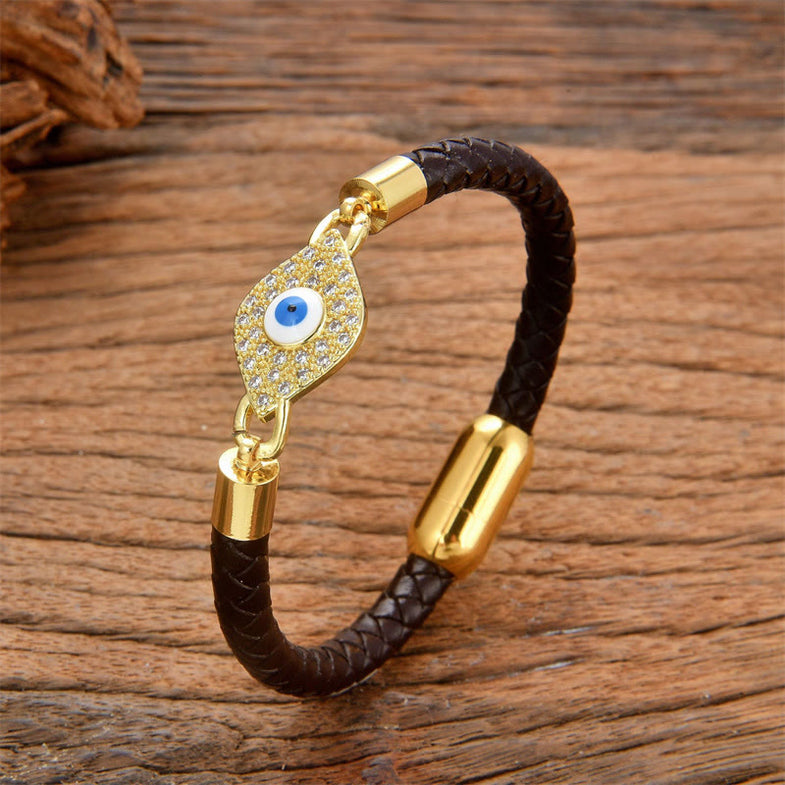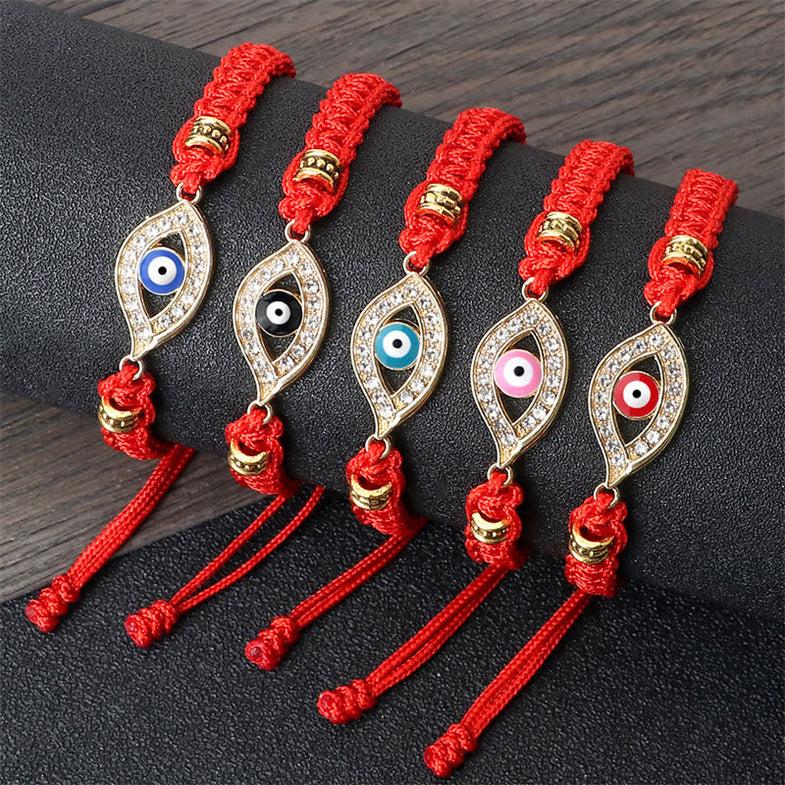
For millennia
Through epochs the wicked glare is considered a popular emblem throughout nations throughout the globe. This historical custom centers around trusting that a vicious glower, usually stemming from jealousy or ill will, possibly produces calamity. Defensive charms, commonly displaying a striking blue emblem, are used to resist this adverse power. They function as a defensive wall, redirecting the negative forces back to their source and delivering balance for the possessor. Several benefactors obtain comfort and safety by having this meaningful token
Modern Protection: Evil Eye Ring Customs
The current movement in accessories is undoubtedly the evil eye band, boasting a one-of-a-kind marriage of design and time-honored shelter. These eye-catching loops, displaying the traditional sapphire pattern, spread broadly, spanning chic showrooms to cybermarts. Customers get more engaged with their gentle magnetism and the hope that they resist ill effects. If you desire a plain complement or an eye-catching ornament, the evil eye ring holds as a sought option, indicating a specific manifestation of class and an urge for blessing.
Fathoming the Hostile Look: Protective Pieces and Harmony
The ancient belief in the evil eye is widespread across many cultures, especially within the regions of the Mediterranean and Near East. It proposes that a malevolent glare, commonly originating from envy or rancor, might result in suffering for the individual. To avoid this alleged harmfulness, society has conventionally worn protective jewelry and baubles, and at present, pieces depicting the distinguished cerulean vision are extensively chosen. These charming elements, generally formed of quartz, are accepted to deflect malicious presence, bolstering serenity and playing a protective role against the damaging sway. Countless feel sporting such pieces grants serenity and defends against injury.
Beyond Fashion: How Evil Eye Protection Jewelry Works
While usually interpreted as a modern supplement, evil eye guarding adornments feature historic beginnings associated with spiritualities across diverse nations. The tradition derives from the idea that bad influences are sent by jealous stares, conceivably resulting in injury. These trinkets – comprising cuffs, chains, and loops – are said to repel this negative vibration evil eye protection jewelry by deflecting or diminishing it. Numerous styles feature the classic nazar emblem, frequently combined with other warding icons such as the Hand of Fatima. It’s not solely visual appeal; it’s about bearing a symbol of supernatural defense.
- Resists destructive power.
- Affords sacred refuge.
- Acts as a symbol of hope.
The History & Significance of Evil Eye Rings
Emerging from historic societies in the Middle East, evil eye loops have an extensive background. Recognized as defending against the wicked glance, their purpose is tied to keeping away adversity. Original structures evolved as symbolic baubles and charms possessed by collectives seeking security and health. The figure of the optic, regularly depicted in tints of cobalt and light, is meant to mirror toxic power in the direction of the origin. During eras, the ritual has propagated everywhere, with evil eye loops transforming into prevalent articles for sacred and trendy uses.
Finding Ideal Evil Eye Charms for Your Preferences
Choosing an ideal nazar charm may seem daunting, yet grasping its importance is crucial. Appraise the category of safety you aim for. An azure blue eye pattern is traditionally regarded as blocking bad vibes, while particular colors – including scarlet or amber – may grant supplementary layers of protection. Gauge the magnitude and matter likewise; a diminutive emblem is refined, while a bulky piece presents notable prominence. Eventually, opt for an object that suits your soul and looks proper.
Evil Eye Baubles: A Primer on Parts and Symbolic Value
Over millennia, the bűbáj has stood as a significant icon providing safeguarding versus harmful vibes. Popular in various cultures, particularly in the Mediterranean regions, evil eye jewelry is more than just a fashionable accessory; it’s a traditional amulet. The usual constituents include bead, mainly shaped to replicate a teal glare, even though additional colors like olive and ruby are employed. The stare representation signifies an outer glare, created to repel adverse ill wishes, and is commonly joined with other lucky badges such as the Hand of Fatima, assembling a detailed arrangement of sacred creed.
Multiple-Level Safeguarding: Coordinating Your Nazar Jewelry Assortment
Forming an elegant hierarchical set of your blue eye tokens passes aesthetics; it raises protective energies. Open your tiered ensemble with a light necklace by your heart, subsequently add armlets of diverse spans, causing each keepsake to shine. Keep in mind rings on all digits—a significant accent. At last, a bold nazar charm on an extended chain can form a strong centerpiece. Experiment with metals like gold, silver, or rose gold to complement your personal style and create a truly personalized protective ensemble.
Nazar Bands: More Than an Attractive Adornment
Beyond their appealing appearance, evil eye rings have a rich history, first developed from longstanding myths in the Mediterranean. Those unique bands outgrow mere trendy additions to your ensemble; they’re understood as giving substantial guarding versus the spiteful look – what observers name the “spiteful look”. Sporting one is considered a means to deflect toxic forces and ensure blessings for the individual.