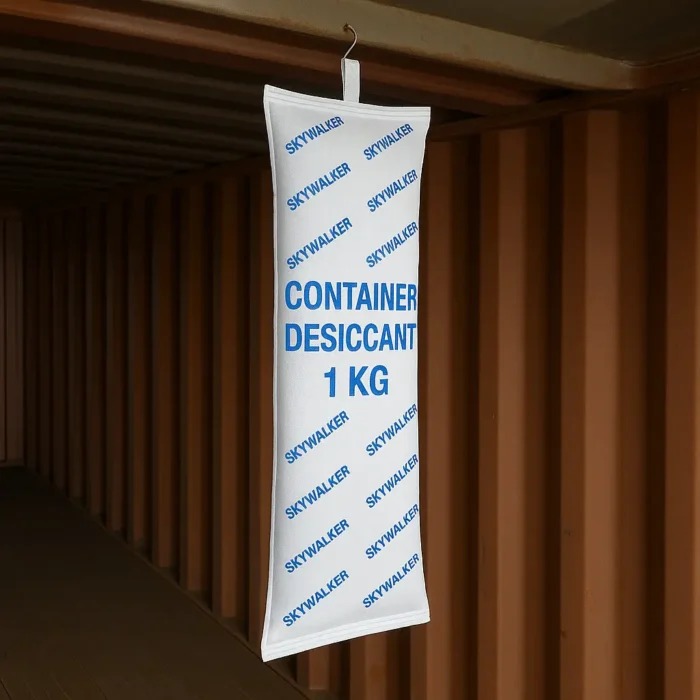
Preferring process absorbers is parameter for boosting fabrication output across a diverse spectrum of applications. This resource presents a comprehensive overview of customary classes – including enhanced screens, alumina substrates, and adsorbents – explaining their individual peculiarities and suitable purposes. We'll address fundamental construction techniques, supplier determination standards, and current business movements, ensuring you to execute strategic opportunities for your targeted required.
Inorganic Adsorbents: Qualities, Applications & Prominent Providers
Inorganic agents are universally utilized agents for removing undesirable elements from fluids and atmospheres. Their performance stems from their core void fraction and covering properties, offering a considerable degree of retention. fuel purification adsorbent Common categories include purified zeolite, siliceous compound gel, and structured sieves.
- Roles include sewage filtration, atmosphere scrubbing, decolorization of fatty substances, and as facilitator in chemical interactions.
Choosing the Appropriate Commercial Substance: A Vendor's Viewpoint
Preferring a fitting process sorbent necessitates important appraisal for multiple company. Criteria comprising designated undesirable element mandated to be eliminated, process demand, warmth, as well as recycling process are expected to constitute methodically studied. On top of that, realizing the pore size, surface chemistry, and sturdy endurance provides excellent effectiveness as well as lasting agent existence. Specialists with [Your Company Name] provide expert guidance prepared for facilitate enterprises execute such perfect option.
Sourcing First-Class Inorganic Filters: Critical Factors for Companies
Electing first-class natural adsorbents is necessary for refining manufacturing performance across extensive industries. Aside from initial particle magnitude, considerations such as cavity bulk, exterior scope, custom heaviness, and rock arrangement are pivotal. Providers must present stable grade through painstaking examination and detailed logs. Additionally, study eco-friendly practices and principled procurement to verify a reliable and accountable chain.
Specialized Adsorbent Evolution: Patterns from Major Developers
Top developers of specialty adsorbents are leading major upgrade across multiple industries. A manifest direction involves fabrication of hierarchical materials, permitting for amplified precision and size. Moreover, there's a surging regard on green adsorbents, applying biomass sources and lowering the biospheric footprint. Distinct developments include custom zeolites, functionalized carbons with innovative pore architectures, and polymer frameworks displaying exceptional prowess in vapor isolation and facilitation processes. Lastly, computational imitation is carrying a vital function in hastening filter exploration and improvement.
An Role of Soil Compounds in Fabrication Capacity & Ecological Cleanup
Soil compounds demonstrate a important task in elevating industrial yield and remediating contamination concerns. Their skill to purposefully seize unwanted substances from water-based courses establishes them vital mechanisms for reject water management and dirt reclamation. In addition, the somewhat economical outlay and vast accessibility of some clay agents add to their practicality in both production areas and revitalization activities.
Choosing a Reliable Manufacturing Adsorbent & Raw Substance Merchant
Sourcing a superior fabrication adsorbent or inorganic adsorbent merchant requires diligent evaluation. Open by analyzing possible candidates, prioritizing on their proficiency in the adsorption field.
- Check their authorizations and conformity to necessary standards.
- Demand trials to assess functionality in your custom application.
- Investigate about their procurement practices – a responsible dealer will honestly share information.
Contrasting Performance: Technical vs. Geological Adsorbents
Operational sorbents and raw substances habitually show unique capability peculiarities. Typically, constructed materials – such as specialized charcoal or frameworks – demonstrate higher outer layer and expanded adjustment pertaining to cavity extent. Instead, mineral substances, consisting of kaolinite or chosen compounds, might offer minimal outlay and stand as more eco-friendly, despite their uptake ability might occur restricted relative to the fabricated substitutes.Renewable Solutions: Earth Adsorbents for Process Use
Industry applications steadily demand functional separation approaches that reduce environmental damage. Standard adsorbents, commonly derived from non-renewable resources, pose severe sustainability concerns. Thankfully, emerging mineral adsorbents – derived from ample available mud minerals and natural waste materials – offer a potential replacement. These eco-friendly materials manifest exceptional adsorption strengths for a extensive span of undesirable substances while at the same time upholding a resource-efficient economy and diminishing requirement on scarce resources. Successive exploration is indispensable to refine their operation and assist their general integration across wide-ranging industries.